
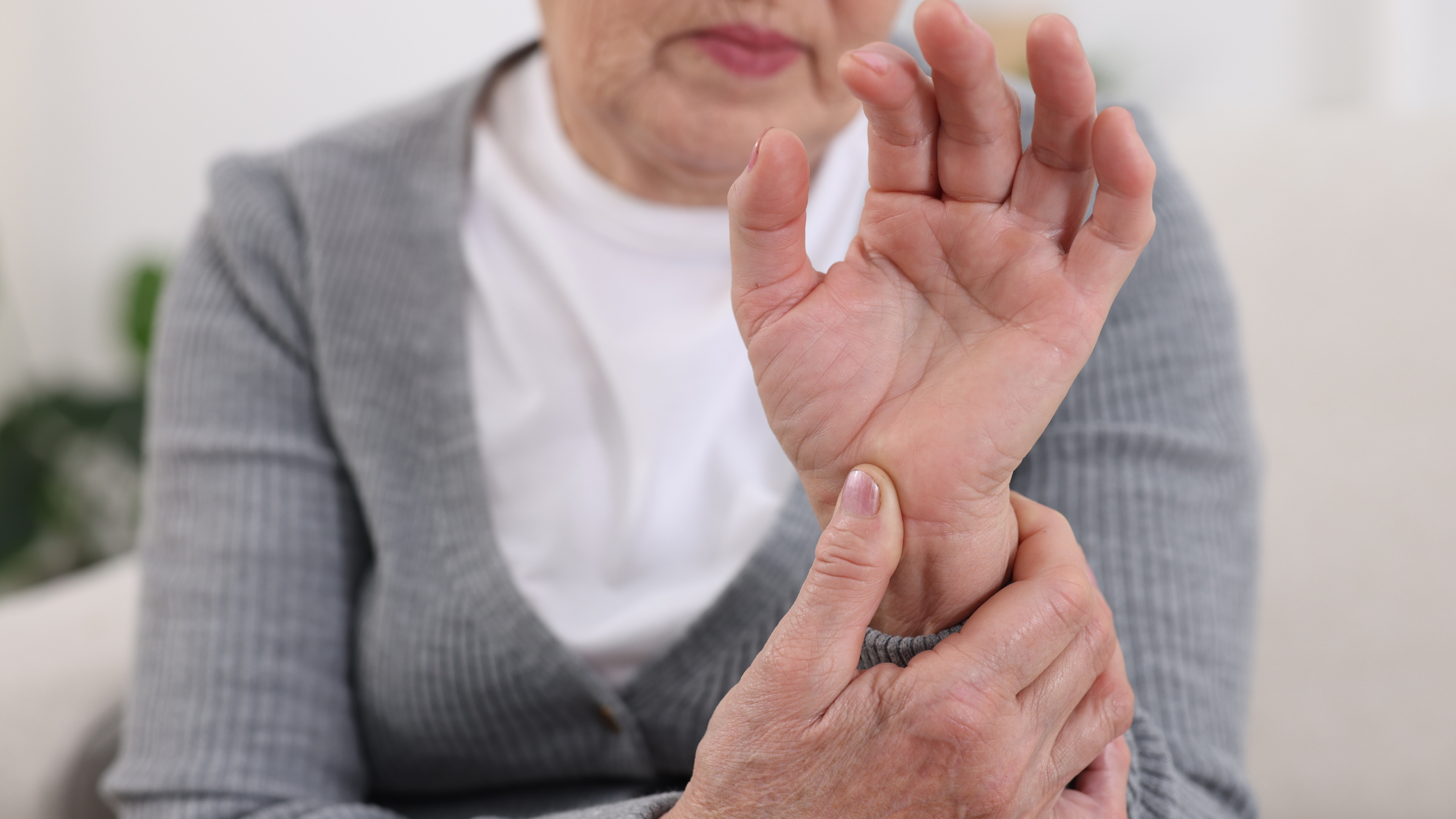
Chronic nerve pain impacts thousands of people in the Charleston area — from the historic streets of downtown to the suburbs outside Mount Pleasant and North Charleston. Whether you’re dealing with pain from an injury, nerve compression, shingles (post-herpetic neuralgia), diabetic neuropathy, or other conditions, nerve pain can make everyday life feel harder, limiting mobility,
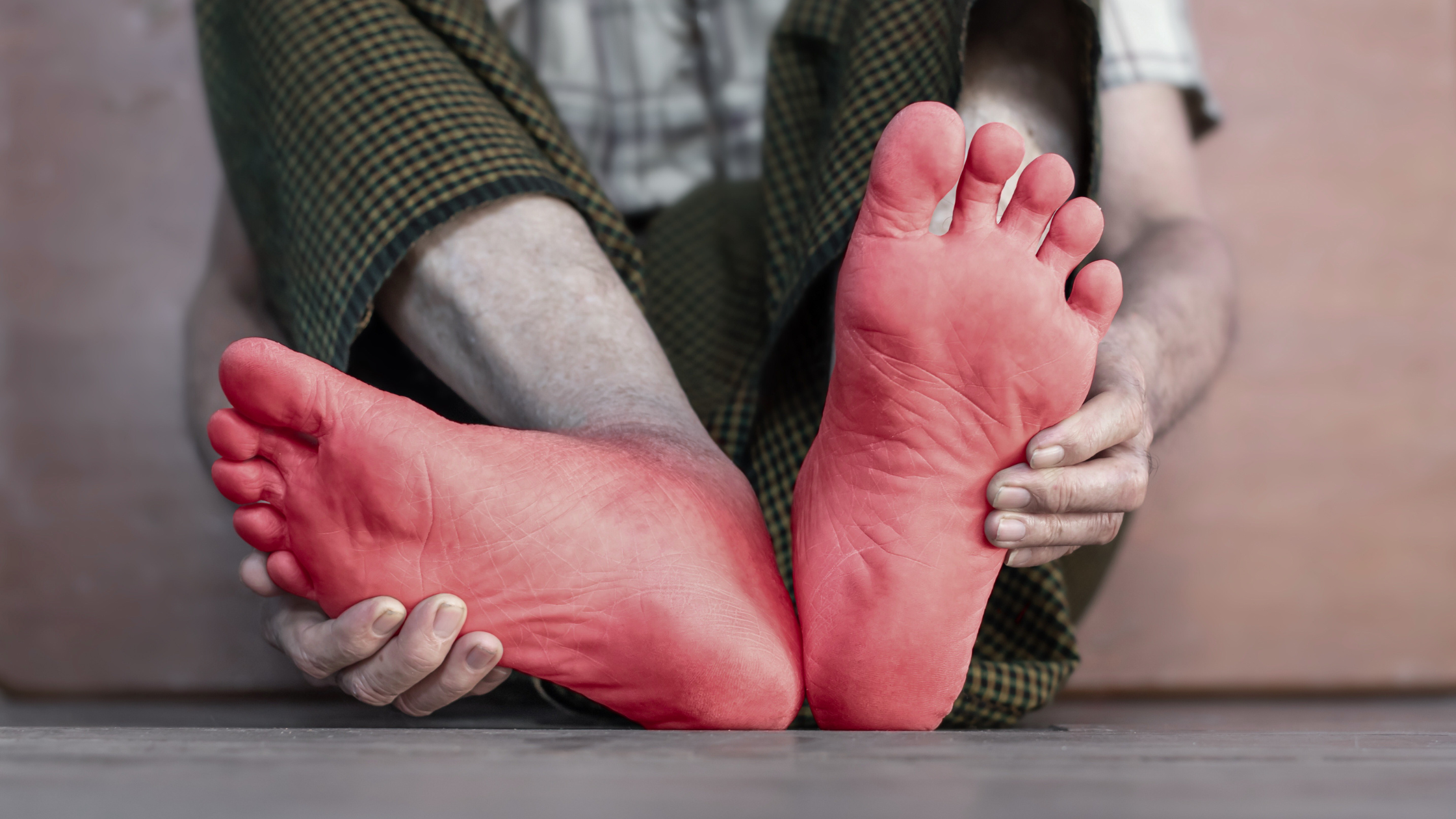
Diabetic neuropathy is one of the most common and frustrating complications of diabetes. It can cause burning, tingling, numbness, sharp pains, and weakness—most often in the feet and hands. While medications can help manage symptoms, many patients are looking for additional, non-medication strategies to improve comfort, function, and overall quality of life. If you’re living

Foot Health for Golfers: Preventing Gout Flare-Ups Golf is often viewed as a low-impact sport, but anyone who plays regularly knows it requires endurance, balance, and hours of walking and standing. For golfers who experience gout, maintaining foot health is essential to staying comfortable on the course and avoiding painful flare-ups that can sideline their
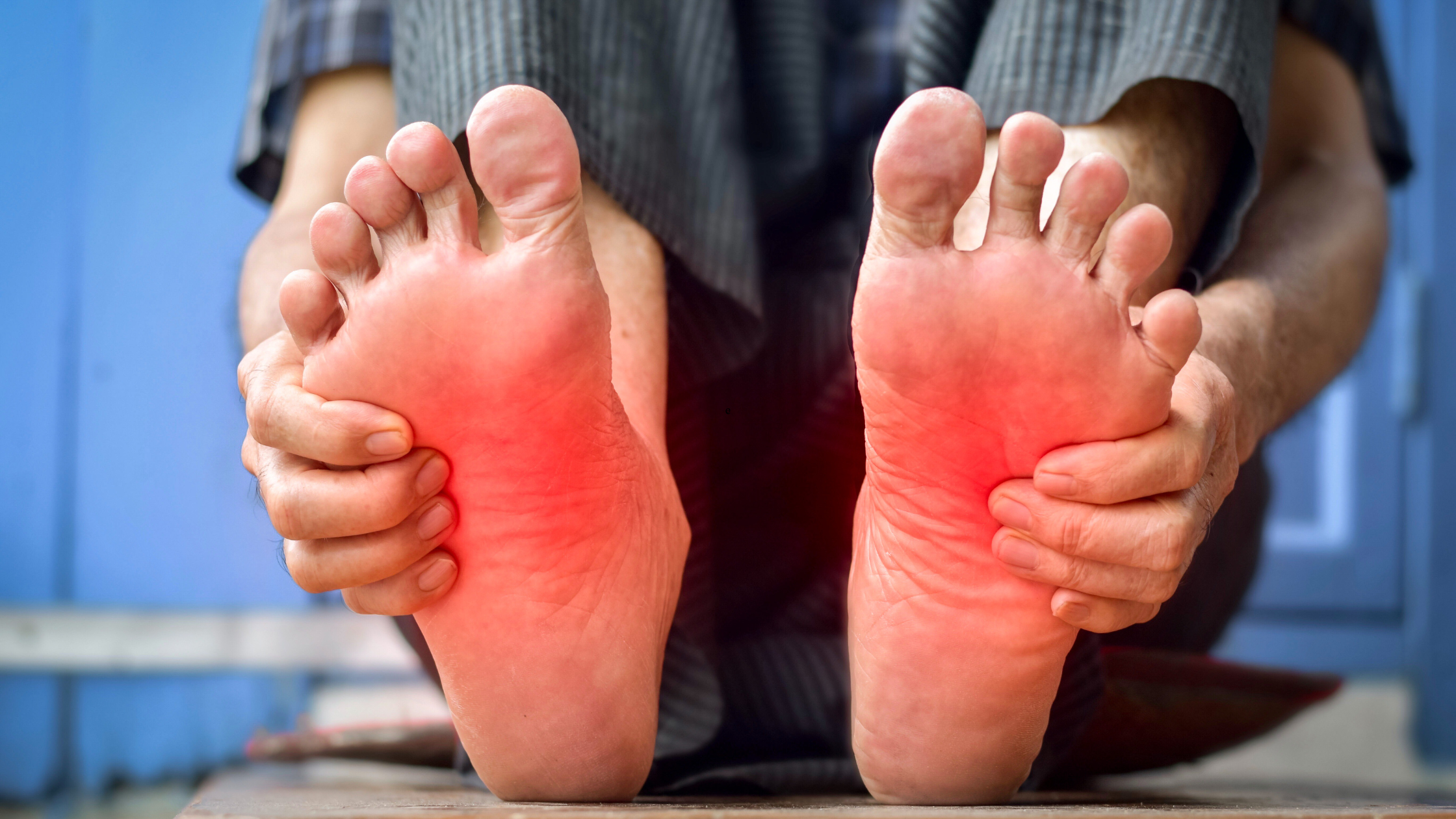
Diabetic neuropathy is a type of nerve pain that many people with diabetes experience. It often shows up as burning, tingling, numbness, or sharp shooting pain in the feet and legs. For some, medications and lifestyle changes help. But for many others, pain persists and significantly affects quality of life. One treatment that’s gaining attention

Chronic pain conditions such as neuropathy and gout are often influenced by inflammation within the body. While medical treatments play an important role in managing symptoms, diet can significantly impact inflammation levels and overall pain control. Understanding how certain foods affect inflammation may help patients reduce flare-ups, improve nerve health, and support long-term pain management.

Chronic pain affects millions of people and can interfere with daily activities, sleep, work, and overall quality of life. For many patients, treatment often begins with medications. While medications can provide short-term relief, they may not always address the underlying cause of pain. Minimally invasive pain management options offer an alternative approach focused on targeted
Blog2026-02-06T17:16:00+00:00